Moreton Bay District: 1860 Registered Entire Headed 'Warwick' to Tenterfield bearing Imperf 2d Diadem tied by ray type '260' numeral of Maryland
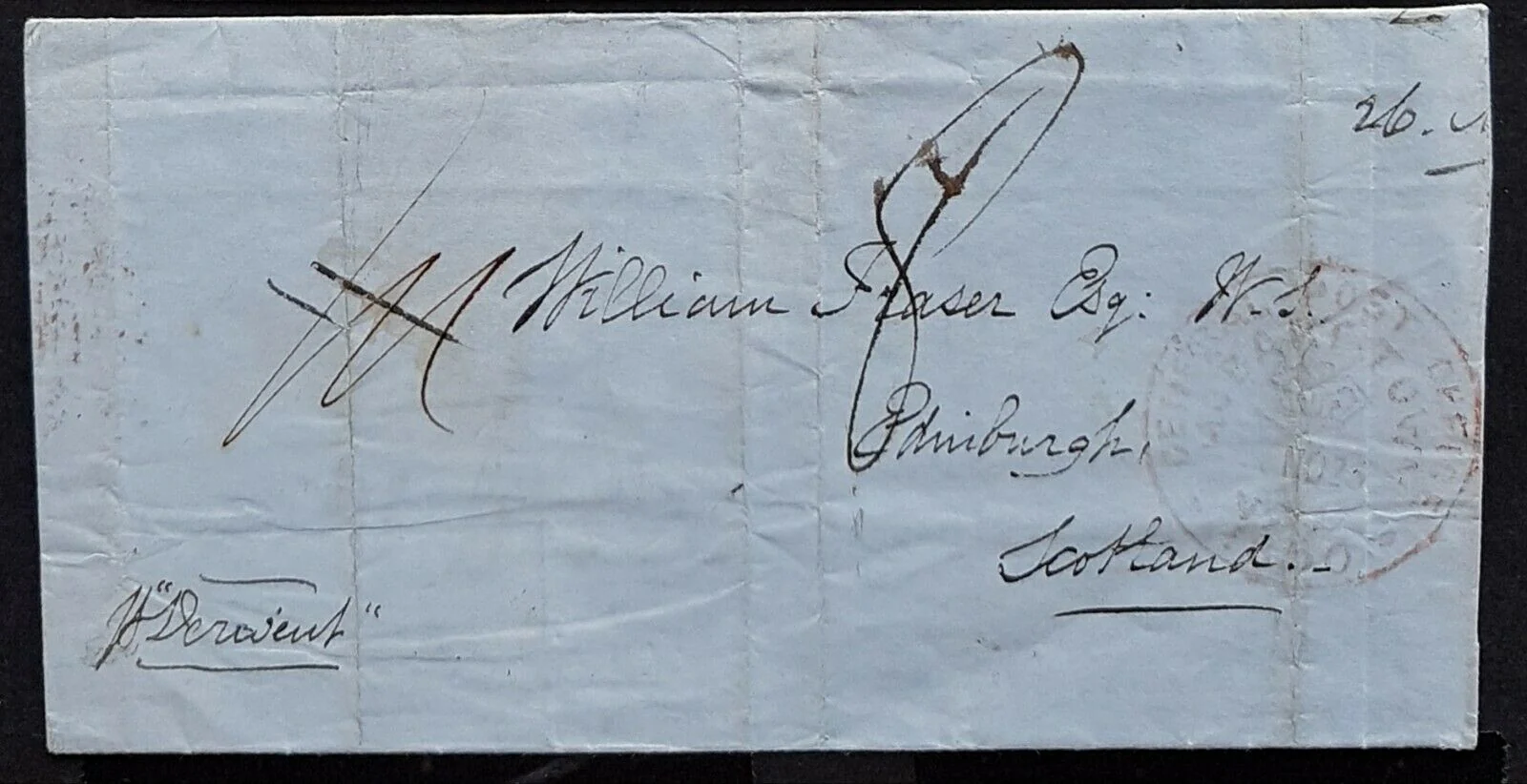
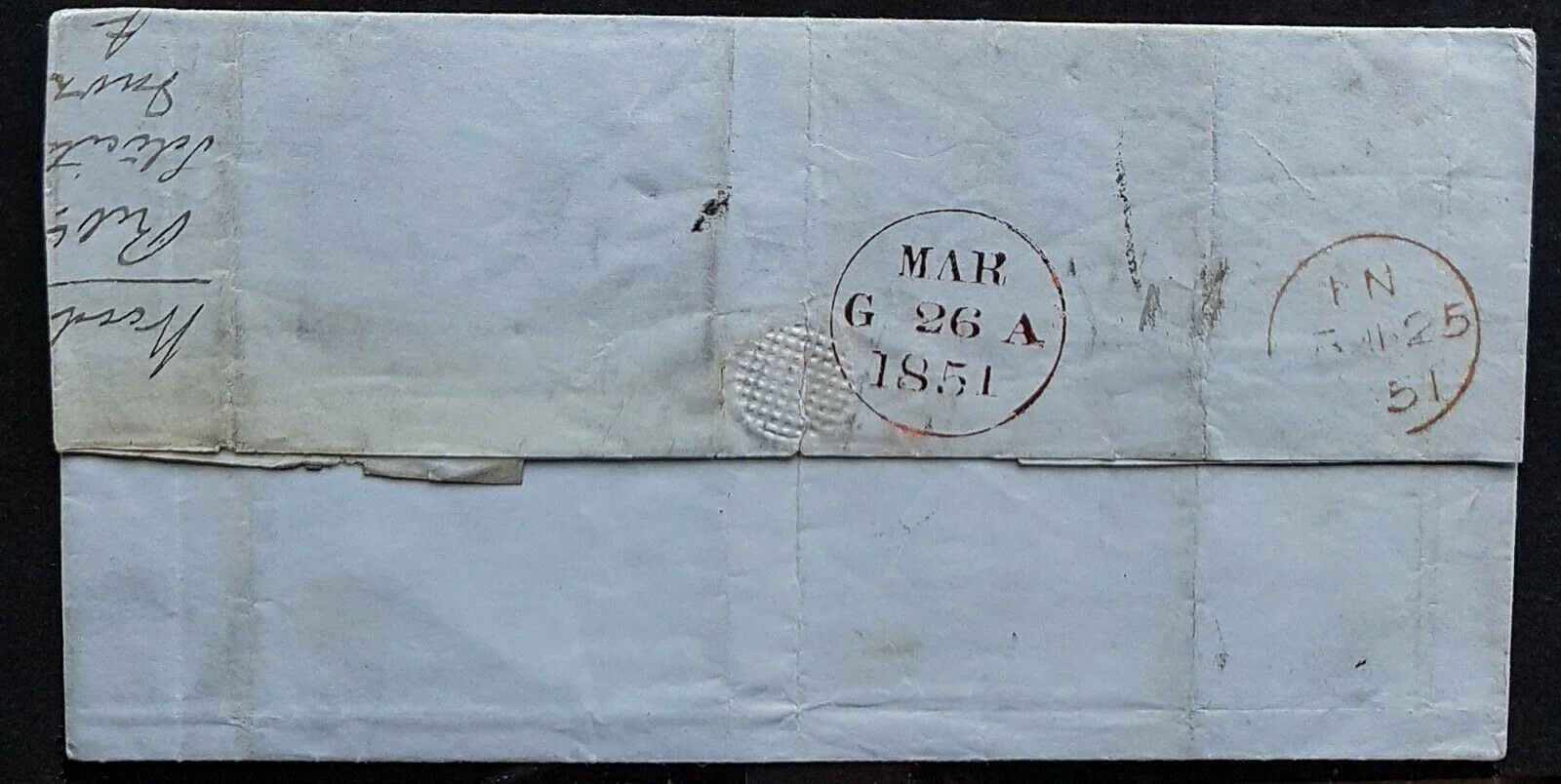
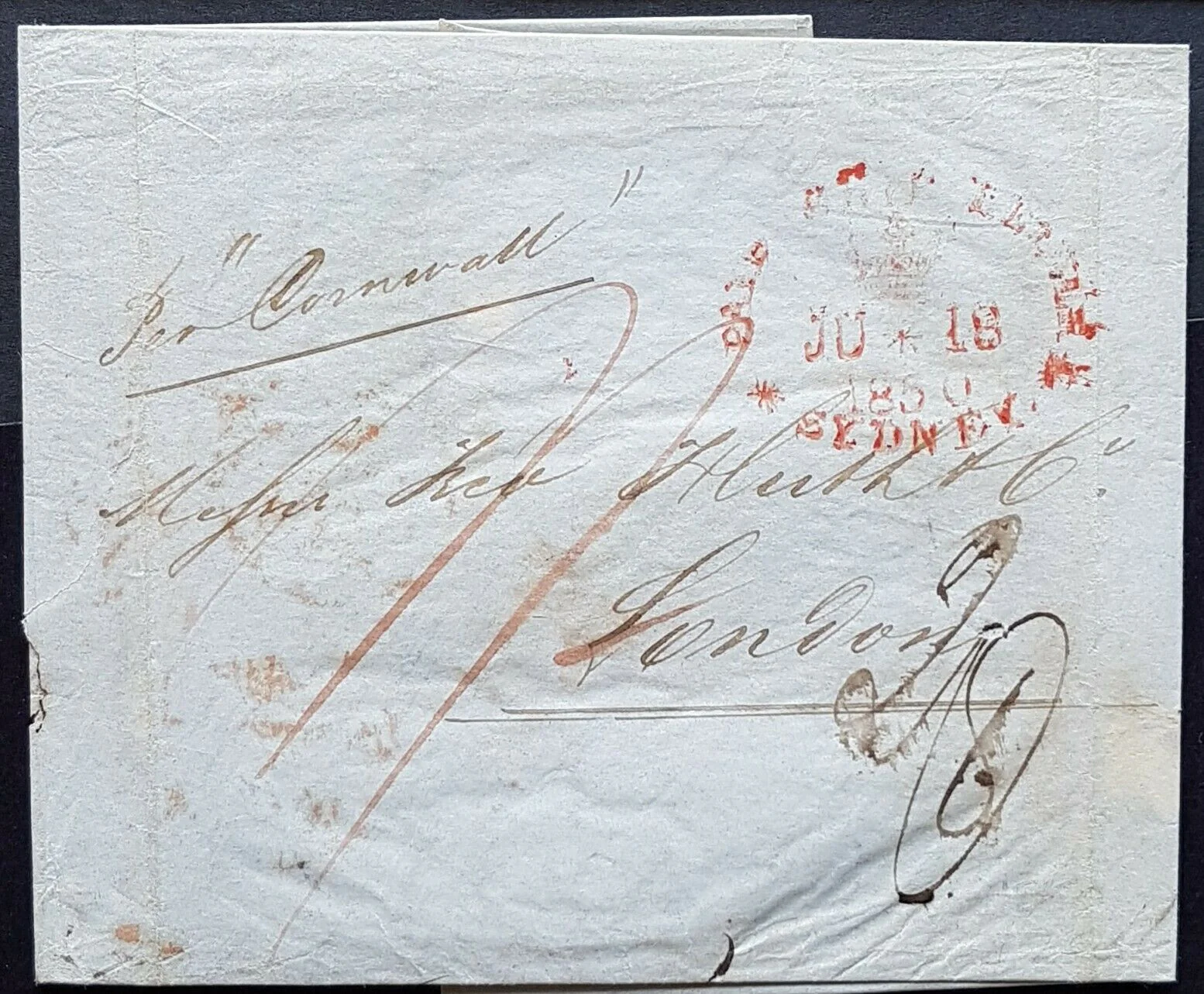
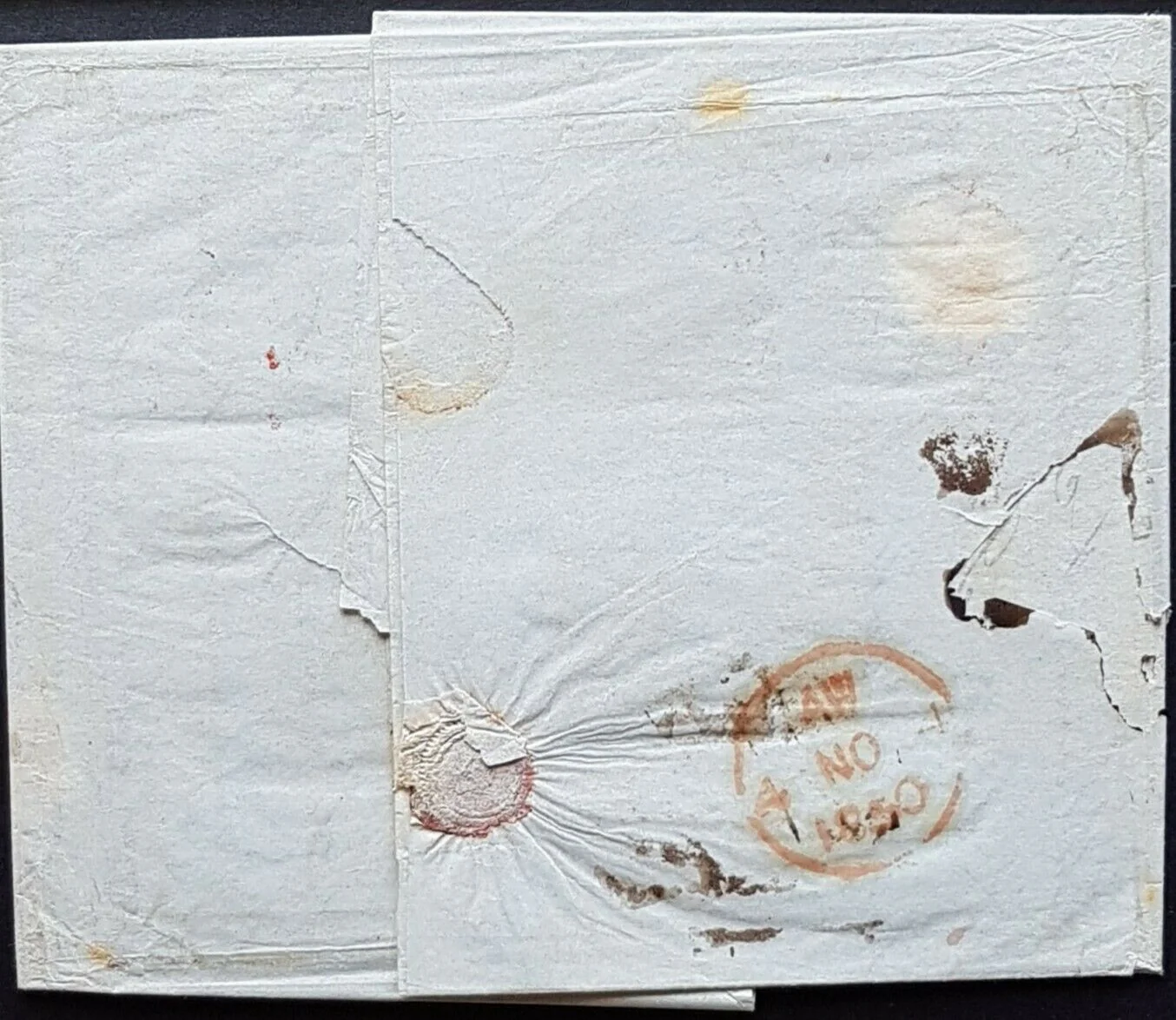
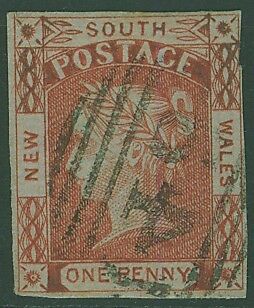
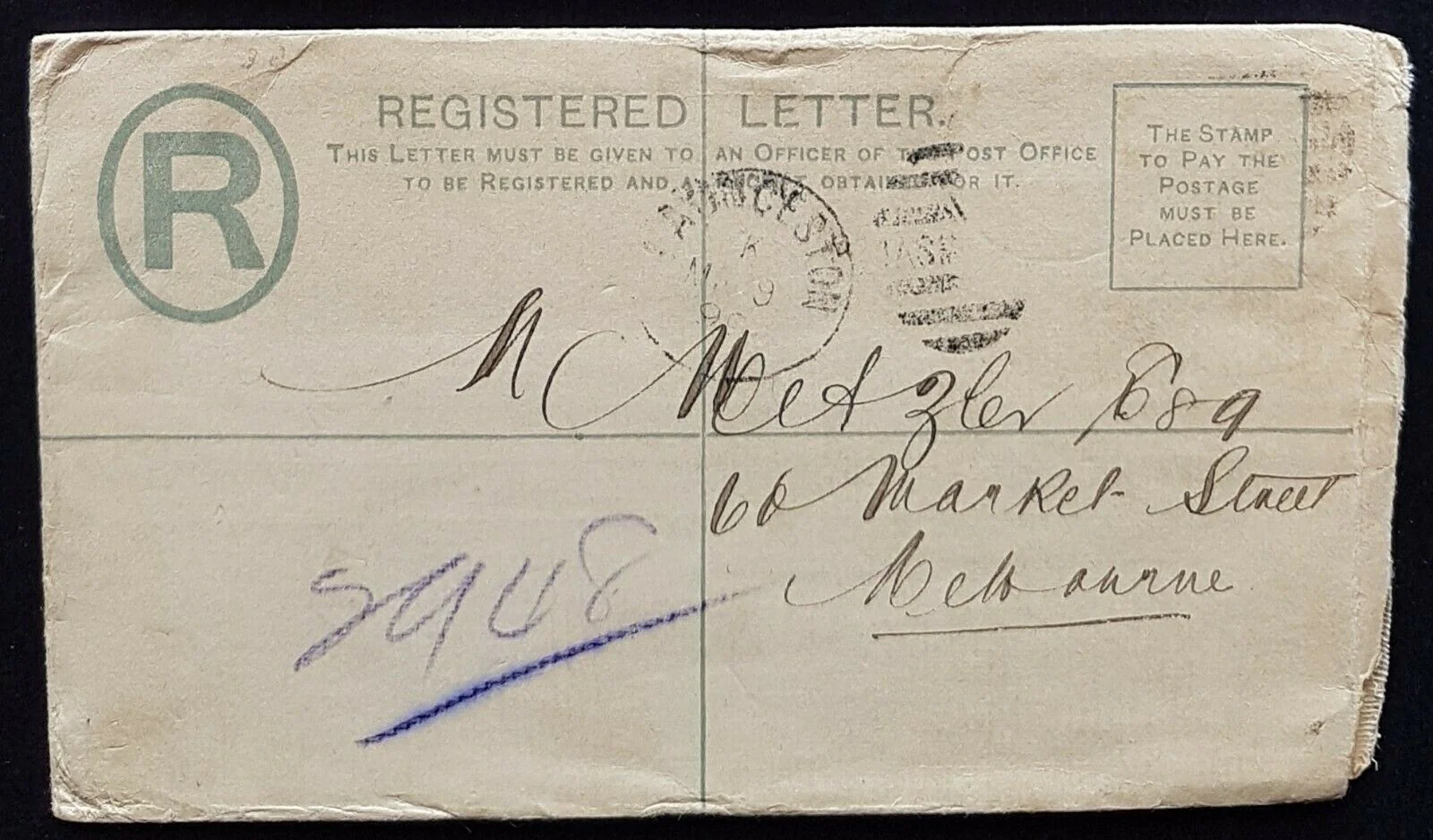
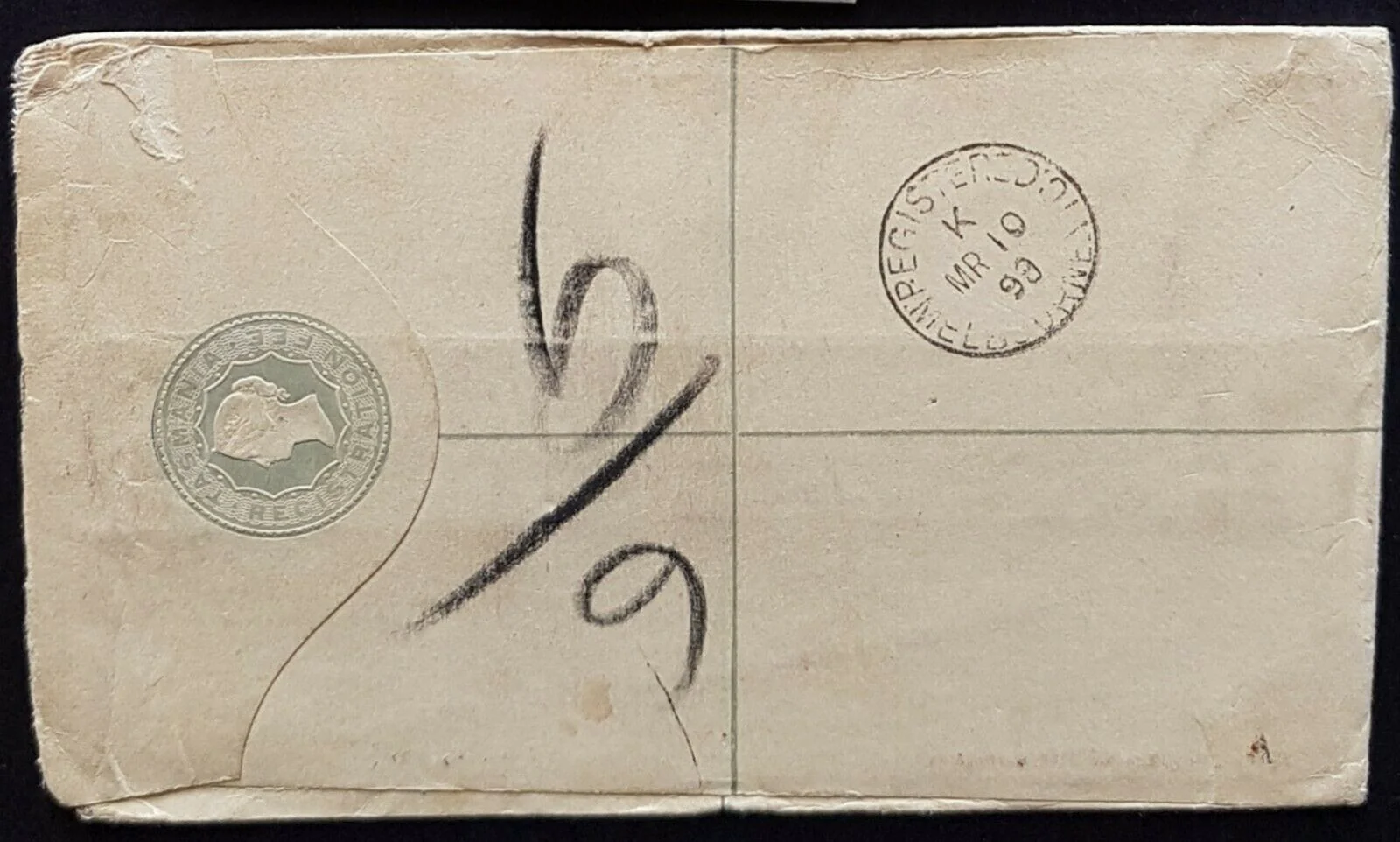
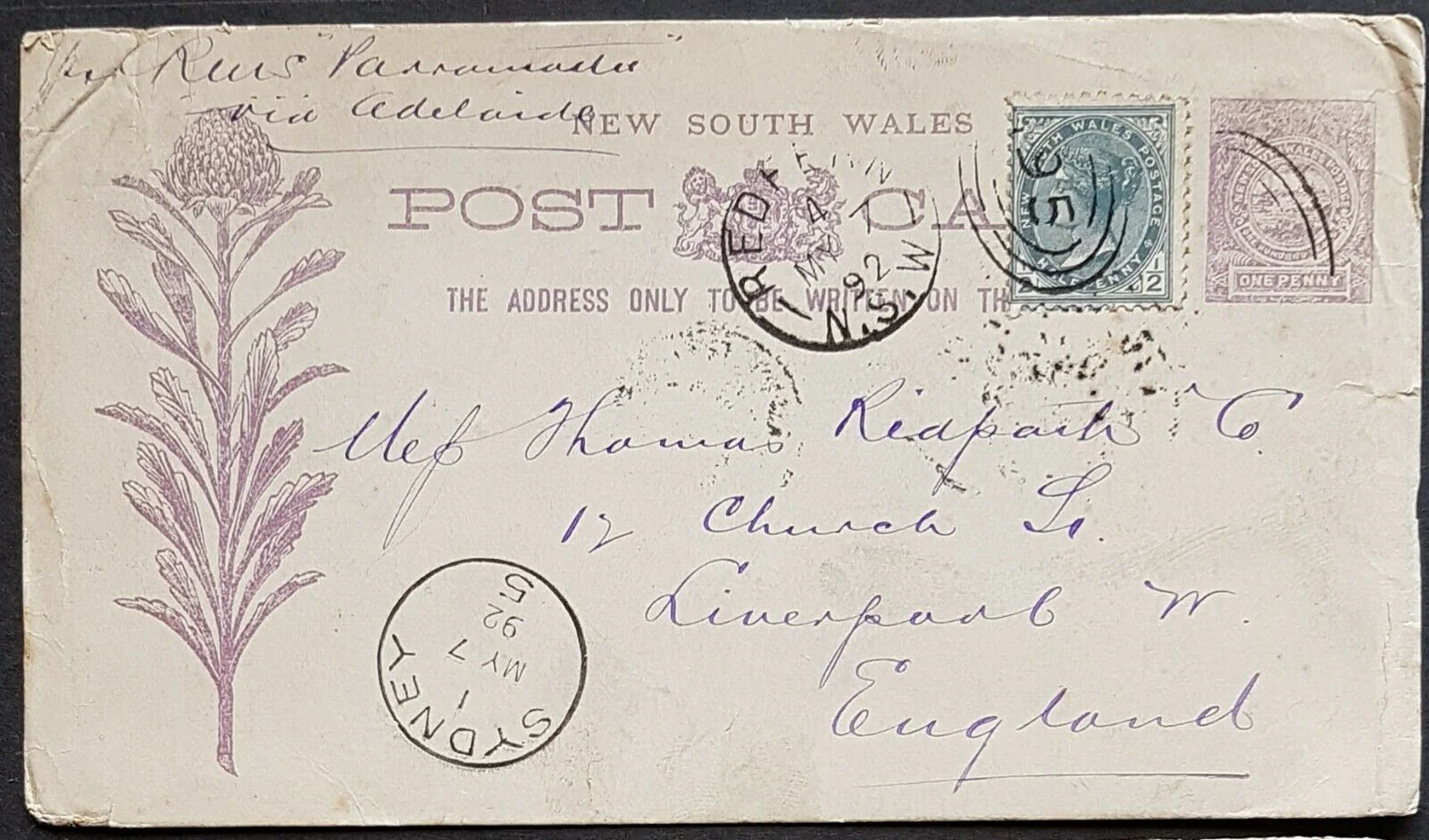
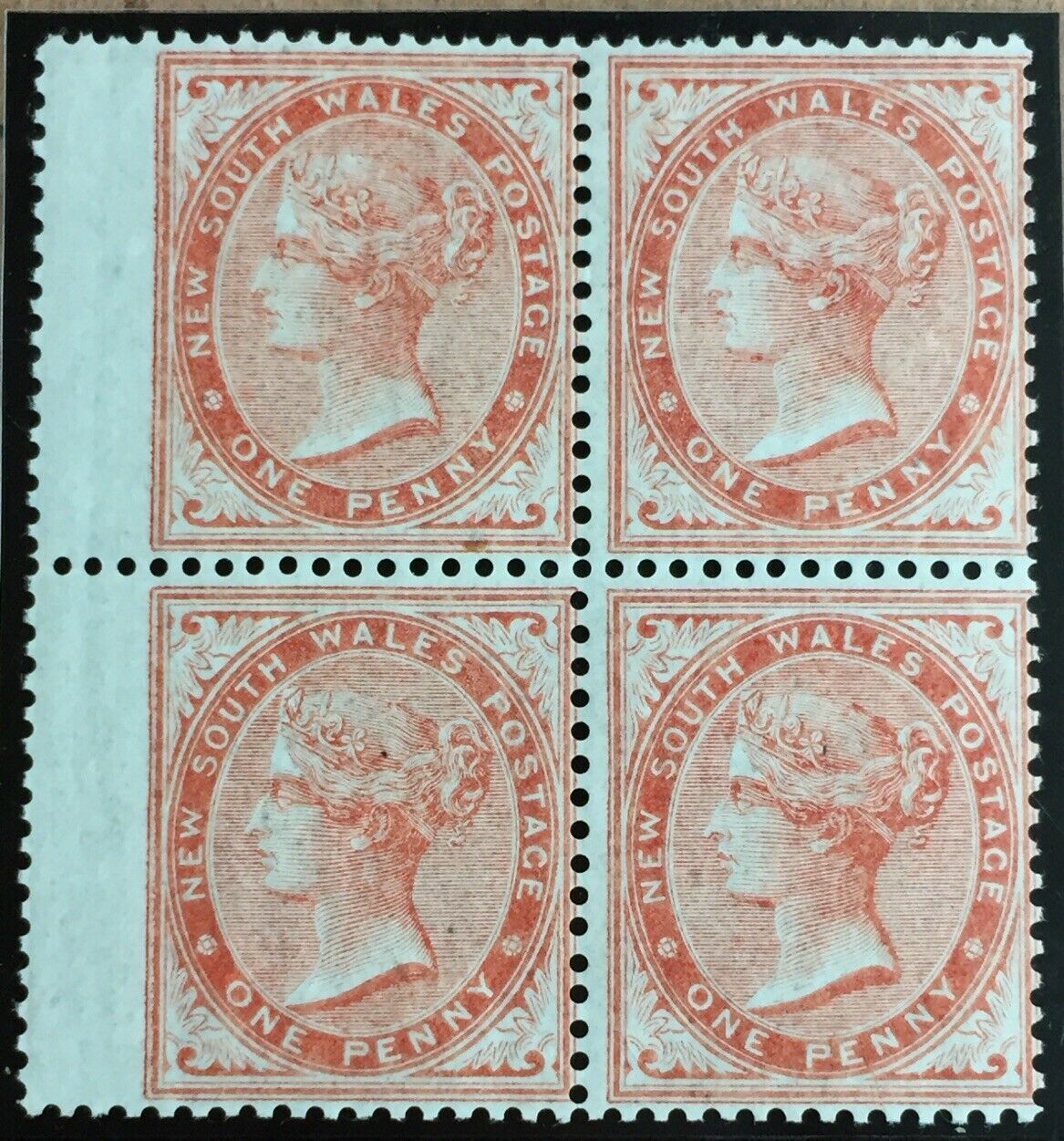
Moreton Bay District: 1860 Registered Entire Headed 'Warwick' to Tenterfield bearing Imperf 2d Diadem tied by ray type '260' numeral of Maryland (transit CDS of MR 7 1860 on reverse). Apparently carried across border for posting and with manuscript 'Rec'd 6d paid' and 'Registered 76'. When Queensland became a separate colony on 15 December 1859, the cross border rate rose from 2d inland to 6d intercolonial, and there was a certain apathy towards this increase. It was also apparent that border residents could hand letters to the mail conductor who would carry them across the border, where these 'loose letters' would be cancelled at the nearest post office. A very fine and unusual usage
Product Information
Product Information
Shipping & Returns
Shipping & Returns


Moreton Bay District: 1860 Registered Entire Headed 'Warwick' to Tenterfield bearing Imperf 2d Diadem tied by ray type '260' numeral of Maryland
Moreton Bay District: 1860 Registered Entire Headed 'Warwick' to Tenterfield bearing Imperf 2d Diadem tied by ray type '260' numeral of Maryland
Moreton Bay District: 1860 Registered Entire Headed 'Warwick' to Tenterfield bearing Imperf 2d Diadem tied by ray type '260' numeral of Maryland (transit CDS of MR 7 1860 on reverse). Apparently carried across border for posting and with manuscript 'Rec'd 6d paid' and 'Registered 76'. When Queensland became a separate colony on 15 December 1859, the cross border rate rose from 2d inland to 6d intercolonial, and there was a certain apathy towards this increase. It was also apparent that border residents could hand letters to the mail conductor who would carry them across the border, where these 'loose letters' would be cancelled at the nearest post office. A very fine and unusual usage
Original: $1,792.17
-65%$1,792.17
$627.26Product Information
Product Information
Shipping & Returns
Shipping & Returns
Description
Moreton Bay District: 1860 Registered Entire Headed 'Warwick' to Tenterfield bearing Imperf 2d Diadem tied by ray type '260' numeral of Maryland (transit CDS of MR 7 1860 on reverse). Apparently carried across border for posting and with manuscript 'Rec'd 6d paid' and 'Registered 76'. When Queensland became a separate colony on 15 December 1859, the cross border rate rose from 2d inland to 6d intercolonial, and there was a certain apathy towards this increase. It was also apparent that border residents could hand letters to the mail conductor who would carry them across the border, where these 'loose letters' would be cancelled at the nearest post office. A very fine and unusual usage